
Translating is a responsibility, not just a change of language

When working on a distribution agreement between an Italian company and an English counterpart, I often come across a clause that simply does not exist in our legal system. The term “consideration”, a cornerstone of common-law contract law, has no direct equivalent in the Italian Civil Code: translating it literally produces a text an Italian judge cannot make sense of, while replacing it with one of our own concepts risks changing the legal effects the parties intended. In these cases you are not translating words, you are comparing two legal systems and deciding, case by case, which solution keeps both the meaning and the validity of the document. It is a work of interpretation that requires knowing not only the two languages, but the two legal cultures those languages express.
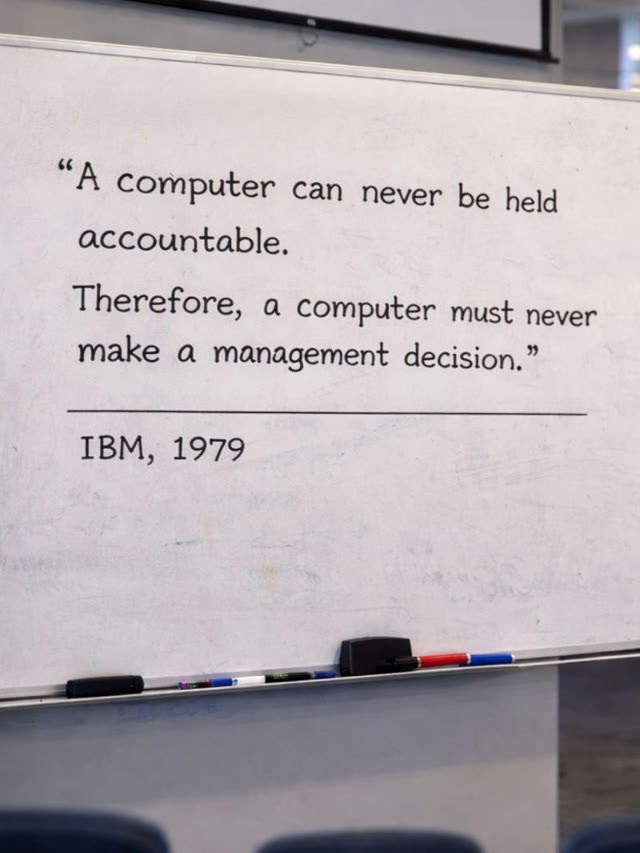 Another recurring case is a certificate that needs a sworn translation: a birth certificate, a diploma, a foreign judgment that must have legal value in Italy. The oath taken before the court clerk is not a bureaucratic formality: it is the act by which a person takes civil and criminal liability for what they have written. That liability has a name, an address and a signature, and it answers before a judge if something does not match the original. There is no way for a program to take this oath, because an oath requires someone who can be called to account for it. It is one of the reasons why, after so many years in this work, I still see it as the heart of the profession and not a side formality.
Then there are texts where the difficulty is not technical but cultural. A business brochure written for a German audience, if translated into French word for word, sounds out of tune: a reference that in Germany suggests reliability and precision may come across in France as stiff or even a little ridiculous. The same goes for an English idiom built on a double meaning, or for a playful tone that another business culture reads as unprofessional. Here the job is to recreate the effect the text must have on its readers, not to replace each word with its equivalent.
In all honesty, automatic tools have become fast and often useful as a first aid on repetitive texts with stable terminology and short sentences: on a technical manual with standard phrasing they can save time at the draft stage, and they work as a quick reference when a term needs checking. But they remain statistical tools, which recognise language patterns without understanding the legal, cultural or human context those words will live in.
That is why, after more than twenty years of legal, commercial and technical translations between Italian, English, German and French, I remain convinced that a translation done by a person is always better than one done by a machine: because whoever translates takes responsibility, makes a conscious choice among several possible solutions, and answers for that choice with their own name.